Hi
@K0608
As
@fisicx says, it is how long is a piece of string? You can spend a ton of money on things and you can spend next to nothing. Just be aware that you often get what you pay for at the low end in the SEO world.
There are lots of cowboys around who will charge you $250 to do the square root of ....f....bugger all each month and then spit out a standard report from their SEO software. Come to think of it, lots of higher ticket agencies do that too. It's lazy and offers no insight into the work that has been done, what is working or the value the client is getting.
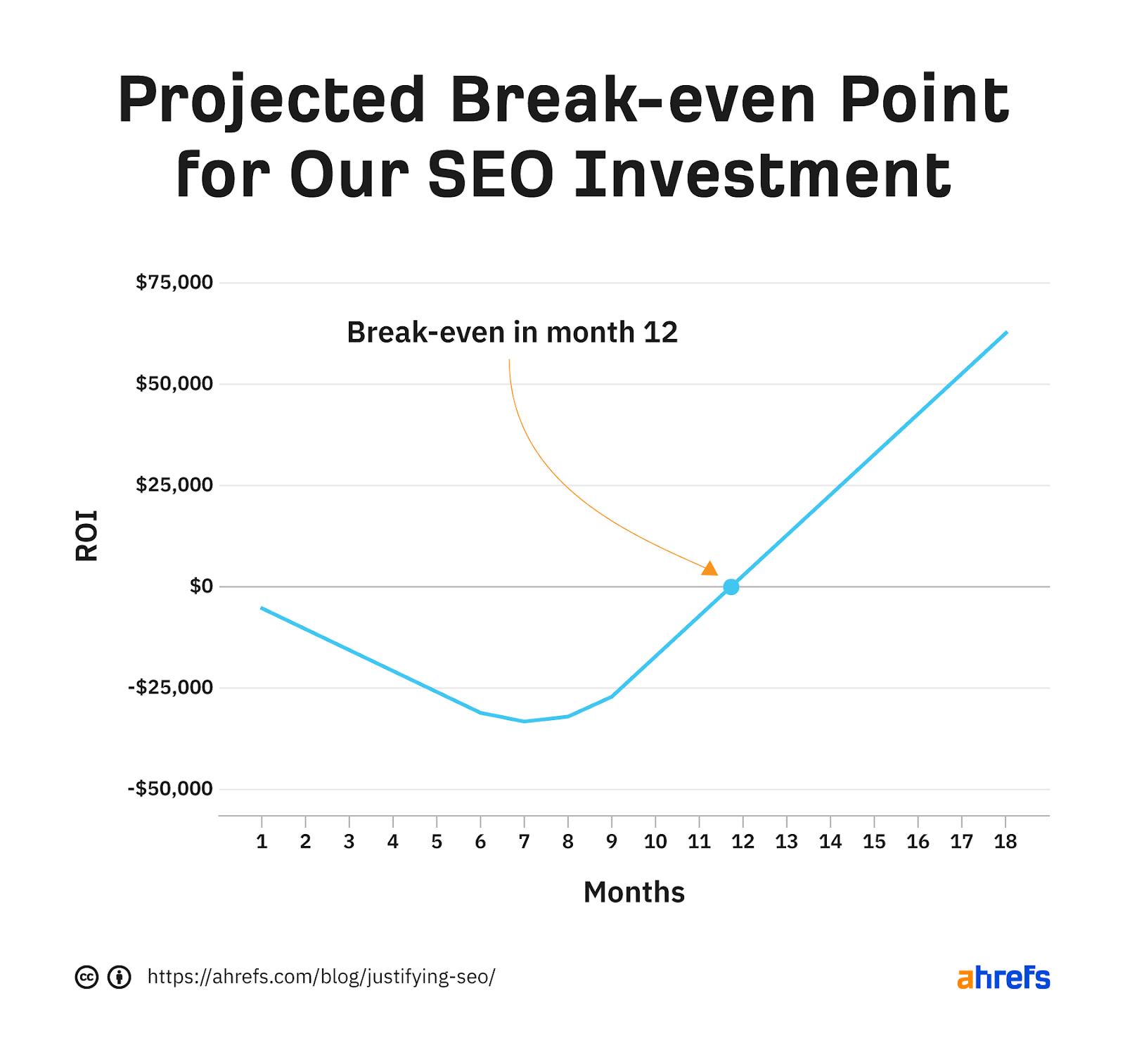
SEO is an investment and doing it properly with a real content strategy is going to be at least £1,500- £3,000 a month. It's also important that you pick your battles and identify the keywords and phrases where you can drive sales. This might not necessarily be the sexy products. It might be the most unexciting products on the site but these are often a great way to get people through the door and can deliver the highest profits.
Competitor research is also key. Through some smart backward-engineering of their websites and rankings, you can identify what they are ranking for, where there are opportunities and then go after their ranking. Sometimes, there is some very low hanging fruit.
This is the type of in-depth research you get for decent money. A low-cost agency is probably going to just do a few searches and then tweak some keywords.
Of course, you should always ask for proof of results or case studies to back up any claim of expertise. Lots of BS around in digital marketing.
A few other points that might be helpful. An SEO agency/company worth their salt should understand that:
- SEO isn't just about keywords. Yes, keyword research does form the foundations of your SEO strategy but it more about content and building authority in your niche. Google wants to serve up websites that go the extra mile in terms of customer experience and give them what they want when they get there. That means ranking for search terms that will drive the RIGHT people to the site. It's not about the number of visitors, it's about the quality of them (Drive for show, putt for dough).
- Not to focus everything on ranking for product terms. Google is pushing product pages down the rankings in favour of 4 paid ads and Google shopping. They're shysters and want your money! You could be in 1st position and still be 7th on page 1! You need to be more strategic and go after 'problem and question-based queries' that your audience needs answers to. It's low competition and still attracts people with the right 'intent' (excuse the pun!)
- You need to build content hubs across the site. Google wants to see authority in specific areas. It's more difficult to build authority with single pages. Hubs of content (also called hub-and-spoke) enable you to create mini link networks on your site about specific subjects and prove a depth of expertise.
- Content must be regular and high-quality. A so-called SEO agency pumping out 500-word blog posts with little substance will not deliver results. Long-form, authoritative content is what moves the needle. This is why SEO is not just keywords. It's a combination of technical, keywords, content and links.
- SEO is a means to get people to the site but the site still needs to work hard to convert them, otherwise your efforts are wasted. That means seamless experience and payment on both mobile and desktop. Even the best SEO won't save a business!
- And finally, like @Paul Carmen quite rightly said, you need to have a strategy in place to nurture customers through to the sale. If you have a conversion rate of 5%, then 95% of people are leaving without a trace. You need a way to capture emails and continue that conversation with an automated email series that converts warm leads into paying customers and then increases their spend further down the line. This should be the same strategy for every traffic channel. It also helps to give you a better ROI on your time, efforts and spend.
SEO is part of a jigsaw and all the pieces need to fit together. This is where many online stores fall down.
Hope that helps.
Matt