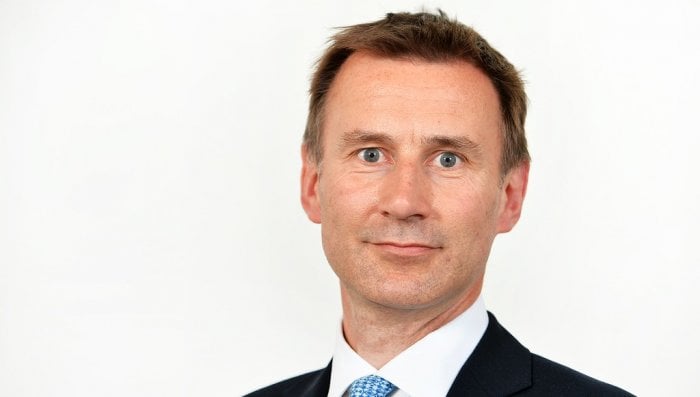
Jeremy Hunt was appointed Chancellor of the Exchequer on 14th October 2022. He joined Liz Truss’s government at a tumultuous time – and he’s already moved to rip up almost all of the policies announced during the mini-Budget.
Having only been prime minister for just over a month, the unfunded tax cuts announced in Truss’s mini-Budget sent the pound tumbling and led to the previous Chancellor, Kwasi Kwarteng, being shown the door.
Hunt spoke just after 11am this morning. The “medium-term fiscal plan” is still expected in two weeks time.
So, what do today’s announcements mean for businesses?
“We will reverse almost all the tax measures announced in the growth plan three weeks ago that have not started parliamentary legislation,” said Hunt.
That means the Conservative government will now no longer go ahead with:
The government’s plan was to cut the basic rate of income tax to 19% from April 2023. It will now remain at 20% indefinitely.
Truss had already announced that the planned corporation tax cut will not go ahead.
This is important for consumer demand: the high expense of energy bills directly impacts how much money people will have to spend this Christmas.
“Any support for businesses will be targeted to those most affected and the new approach will better incentivise energy efficiency,” he added.
It’s not clear yet what this means in practice. The support given to businesses was already due to be reviewed in April.
“Growth requires confidence and stability and the United Kingdom will always pay its way. This government will take whatever tough decisions are necessary to do so.”
The Guardian estimates the seven mini-budget U-turns will raise £32bn by 2026-27. Although it’s worth noting that most of these “savings” are based on policies announced just weeks ago.
Having only been prime minister for just over a month, the unfunded tax cuts announced in Truss’s mini-Budget sent the pound tumbling and led to the previous Chancellor, Kwasi Kwarteng, being shown the door.
Hunt spoke just after 11am this morning. The “medium-term fiscal plan” is still expected in two weeks time.
So, what do today’s announcements mean for businesses?
Scrapping tax cuts
The government has decided not to go ahead with most of the tax cuts first tabled by Truss.“We will reverse almost all the tax measures announced in the growth plan three weeks ago that have not started parliamentary legislation,” said Hunt.
That means the Conservative government will now no longer go ahead with:
- A 1.25% cut in the dividend tax rate
- The reversal of off-payroll working reforms (IR35 rules) introduced in 2017 and 2021
- VAT-free shopping scheme for non-UK tourists
- The freeze on alcohol duty changes
The government’s plan was to cut the basic rate of income tax to 19% from April 2023. It will now remain at 20% indefinitely.
Truss had already announced that the planned corporation tax cut will not go ahead.
Energy price guarantee will become more targeted from April
Hunt said that the energy price guarantee will remain universal until April before becoming more targeted. Hunt noted that the guarantee was the biggest single expense in Truss’s growth plan.This is important for consumer demand: the high expense of energy bills directly impacts how much money people will have to spend this Christmas.
“Any support for businesses will be targeted to those most affected and the new approach will better incentivise energy efficiency,” he added.
It’s not clear yet what this means in practice. The support given to businesses was already due to be reviewed in April.
Reassuring the market
The statement led with Hunt talking about the need for the government to reassure financial markets. The previous mini-Budget included considerable unfunded tax cuts, causing the pound to crash. Hunt finished by saying:“Growth requires confidence and stability and the United Kingdom will always pay its way. This government will take whatever tough decisions are necessary to do so.”
The Guardian estimates the seven mini-budget U-turns will raise £32bn by 2026-27. Although it’s worth noting that most of these “savings” are based on policies announced just weeks ago.