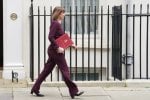
Chancellor Rachel Reeves delivered the UK’s Spring Statement on 3 March 2026, and for many business owners, it may have felt like a surprisingly uneventful fiscal announcement.
That was largely intentional. The government has committed to holding one major fiscal event per year, the Autumn Budget, with the Spring Statement serving primarily as an economic update rather than a platform for new policy announcements. As a result, this year’s statement focused more on economic forecasts and on reaffirming existing plans than on introducing new tax changes or business measures.
For small businesses, that means there were no major new taxes, reliefs or headline-grabbing initiatives announced in the spring update. Instead, the government's message was one of stability and continuity, with policies already announced in previous budgets.
The OBR’s updated projections suggest that economic growth in 2026 will be around 1.1%, slightly lower than earlier expectations but still showing gradual expansion in the years ahead. Inflation is expected to continue falling, and forecasts suggest it could move closer to the Bank of England’s 2% target over the next couple of years.
However, the wider economic outlook remains uncertain. Global factors such as geopolitical tensions and energy price volatility were highlighted as risks that could still affect growth, borrowing and inflation in the near future.
This includes measures from earlier budgets that will continue to roll out over the coming years, such as support for skills and training, infrastructure investment, and initiatives aimed at encouraging entrepreneurship and economic growth.
In other words, the Spring Statement was less about announcing new ideas and more about signalling the government's intention to stick to its current economic plan.
First, stability can be helpful when planning ahead. With no unexpected tax changes or regulatory shifts announced, businesses can continue operating under the existing policy framework without needing to rapidly adjust financial plans.
Second, attention will now turn to the next Autumn Budget, which is expected to be the main opportunity for the government to introduce any significant tax or policy changes affecting businesses.
Finally, the broader economic forecasts serve as a reminder that although inflation is easing and growth is expected to continue, the business environment remains uncertain. Many small businesses are therefore likely to continue focusing on resilience, cost management and careful planning over the coming year.
For small business owners, the key takeaway is simple: no major surprises, no sudden changes, and a continued focus on the policies already in place.
Sometimes in business, that kind of stability can be just as valuable as new incentives.
That was largely intentional. The government has committed to holding one major fiscal event per year, the Autumn Budget, with the Spring Statement serving primarily as an economic update rather than a platform for new policy announcements. As a result, this year’s statement focused more on economic forecasts and on reaffirming existing plans than on introducing new tax changes or business measures.
For small businesses, that means there were no major new taxes, reliefs or headline-grabbing initiatives announced in the spring update. Instead, the government's message was one of stability and continuity, with policies already announced in previous budgets.
The economic outlook
One of the main purposes of the Spring Statement is to present the latest forecasts from the Office for Budget Responsibility (OBR), which provides independent analysis of the UK economy.The OBR’s updated projections suggest that economic growth in 2026 will be around 1.1%, slightly lower than earlier expectations but still showing gradual expansion in the years ahead. Inflation is expected to continue falling, and forecasts suggest it could move closer to the Bank of England’s 2% target over the next couple of years.
However, the wider economic outlook remains uncertain. Global factors such as geopolitical tensions and energy price volatility were highlighted as risks that could still affect growth, borrowing and inflation in the near future.
No major new policies for businesses
Unlike some budgets that introduce sweeping reforms or tax changes, the 2026 Spring Statement largely confirmed that previously announced policies remain on track.This includes measures from earlier budgets that will continue to roll out over the coming years, such as support for skills and training, infrastructure investment, and initiatives aimed at encouraging entrepreneurship and economic growth.
In other words, the Spring Statement was less about announcing new ideas and more about signalling the government's intention to stick to its current economic plan.
What small business owners should take away
While the lack of new announcements might seem underwhelming, it does have some practical implications for business owners.First, stability can be helpful when planning ahead. With no unexpected tax changes or regulatory shifts announced, businesses can continue operating under the existing policy framework without needing to rapidly adjust financial plans.
Second, attention will now turn to the next Autumn Budget, which is expected to be the main opportunity for the government to introduce any significant tax or policy changes affecting businesses.
Finally, the broader economic forecasts serve as a reminder that although inflation is easing and growth is expected to continue, the business environment remains uncertain. Many small businesses are therefore likely to continue focusing on resilience, cost management and careful planning over the coming year.
A steady, rather than dramatic, fiscal moment
In recent years, the UK has seen several high-profile budgets that introduced major tax changes or economic interventions. By contrast, the 2026 Spring Statement was deliberately quieter.For small business owners, the key takeaway is simple: no major surprises, no sudden changes, and a continued focus on the policies already in place.
Sometimes in business, that kind of stability can be just as valuable as new incentives.