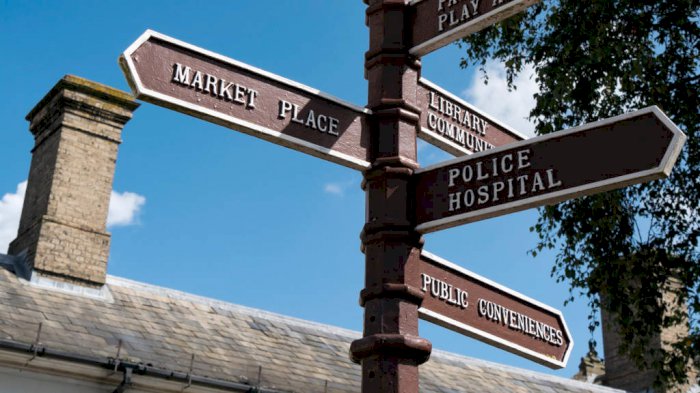
Have you noticed the closure of public toilets in towns and villages around the UK? It might seem trivial but for businesses that rely on people being out, about and ready to spend more than a penny, it can be a disaster.
Last year the BBC used data from Freedom of Information (FOI) requests to reveal the extent of public toilet closures across the UK between 2010 and 2018. Cornwall, for example, lost 94% of its publicly-funded toilets, while 37 areas no longer have any council-run toilets at all.
Though ostensibly a choice made by councils, it is a result of the Government's attempts to impose discipline on public spending through austerity. Councils are forced to prioritise statutory services and remove or reduce funding from those they've not legally obliged to provide: public toilets are, officially at least, a nice-to-have rather than essential.
Most campaigning for public toilets focuses on issues of public health, public order and inclusivity but even the hardest-nosed business-people ought to stop and consider the impact on their profits.
That's a view echoed by Julie-Ann Drake from Cullen, a village on the North Sea coast of Scotland.
'The council closed the public toilet block at the start of the summer holidays in 2018 - great timing!,' she said. 'There was an immediate impact on local businesses - people felt the deficit.
'We saw one car after another arrive then turn round and leave when they realised the toilets were closed. People were leaving the beach early with their kids because there was no toilet and just going home.'
There is some good news, though: last year, accompanied by a string of uncharacteristic lavatory puns, Chancellor Philip Hammond announced in his autumn Budget that those running toilet blocks, including councils, would no longer be required to pay business rates on them.
Given the rate of closures, sell-offs and demolitions in the past decade, though, it's probably fair to call this too little, too late.
An alternative approach is for pubs, shops and cafes to open up their own toilets to the general public as part of a 'community toilet scheme'.
Before austerity really started to bite, some councils were already pushing this approach, paying small subsidies to participating businesses to cover the costs of materials and cleaning. That generally fell by the wayside, though, as funds dwindled.
Now, what was intended as a supplement to public provision has become the only option in some areas.
Even so, it may well pay dividends.
'Businesses find that when they open up their toilets to the public, they grow their footfall,' said Raymond Martin. 'The evidence is anecdotal - there's no budget for research, sadly - but I've no doubt. It's been proven up and down the country, over and over again.'
Martin welcomes this kind of thing. Private companies are good at operating toilets, he argues, and in turn, it's good for them.
'Some of the larger businesses we work with tell us that having good toilets accounts for up to a third of their profitability,' he said. 'For a few pennies on cleaning, they bring people through the door, and invariably they buy something.'
He also highlights some of the ways retailers avoid the worst-case scenario of a constant stream of freeloaders coming and going without buying anything.
For example, you've probably noticed that department stores often put their customer toilets up four flights of stairs and at the back. They're hoping, of course, that you'll come in to relieve yourself and walk out with a casserole dish and king-size duvet cover.
Making the toilet contingent on a purchase is also an option. 'I went to Starbucks recently and the code to unlock the toilet door was printed on the receipt,' added Martin. 'I thought that was clever.'
The Cullen Amenities Group has a solution to this problem that might work in places where retailers share sufficient community feeling to work together.
'We have 27 local businesses supporting the toilet block through a subscription, as the Friends of Cullen,' said Julie-Ann Drake.
'Each business sponsor gets a sticker designed by local artist Rob Greenwood to display in their shop window. We supplement that income with donations which cover the cost of cleaning materials.'
From buses to benches, from libraries to tourist information offices, things that bring people into shopping centres and encourage them to hang around are disappearing or diminishing in quality.
Business owners have two options: ignore it in the hope that people just get used to this new barebones reality, or step up and provide an alternative.
Last year the BBC used data from Freedom of Information (FOI) requests to reveal the extent of public toilet closures across the UK between 2010 and 2018. Cornwall, for example, lost 94% of its publicly-funded toilets, while 37 areas no longer have any council-run toilets at all.
Though ostensibly a choice made by councils, it is a result of the Government's attempts to impose discipline on public spending through austerity. Councils are forced to prioritise statutory services and remove or reduce funding from those they've not legally obliged to provide: public toilets are, officially at least, a nice-to-have rather than essential.
Most campaigning for public toilets focuses on issues of public health, public order and inclusivity but even the hardest-nosed business-people ought to stop and consider the impact on their profits.
Bad for business
'The trouble is, there's no legislation around provision of public toilets, there's no regulator, and no funding to pay for them,' says Raymond Martin, managing director of the British Toilet Association (BTA), a not-for-profit lobbying group founded in 1999, 'and there's no doubt that the lack of toilets is taking money away from businesses.'That's a view echoed by Julie-Ann Drake from Cullen, a village on the North Sea coast of Scotland.
'The council closed the public toilet block at the start of the summer holidays in 2018 - great timing!,' she said. 'There was an immediate impact on local businesses - people felt the deficit.
'We saw one car after another arrive then turn round and leave when they realised the toilets were closed. People were leaving the beach early with their kids because there was no toilet and just going home.'
Taking on the task
In some cases, where trade all but depends on it, local businesses have taken on the running of former council toilet blocks. But this isn't a step to be taken lightly: it's generally reckoned to cost between £12,000 and £20,000 per year to run a standalone facility.There is some good news, though: last year, accompanied by a string of uncharacteristic lavatory puns, Chancellor Philip Hammond announced in his autumn Budget that those running toilet blocks, including councils, would no longer be required to pay business rates on them.
Given the rate of closures, sell-offs and demolitions in the past decade, though, it's probably fair to call this too little, too late.
An alternative approach is for pubs, shops and cafes to open up their own toilets to the general public as part of a 'community toilet scheme'.
Before austerity really started to bite, some councils were already pushing this approach, paying small subsidies to participating businesses to cover the costs of materials and cleaning. That generally fell by the wayside, though, as funds dwindled.
Now, what was intended as a supplement to public provision has become the only option in some areas.
Even so, it may well pay dividends.
'Businesses find that when they open up their toilets to the public, they grow their footfall,' said Raymond Martin. 'The evidence is anecdotal - there's no budget for research, sadly - but I've no doubt. It's been proven up and down the country, over and over again.'
Luxury and loyalty
Meanwhile, in towns and cities, ever-more luxurious loos draw customers toward American-style malls such as the two Westfields in London, or entice them into Wetherspoon chain pubs and McDonald's fast food restaurants.Martin welcomes this kind of thing. Private companies are good at operating toilets, he argues, and in turn, it's good for them.
'Some of the larger businesses we work with tell us that having good toilets accounts for up to a third of their profitability,' he said. 'For a few pennies on cleaning, they bring people through the door, and invariably they buy something.'
He also highlights some of the ways retailers avoid the worst-case scenario of a constant stream of freeloaders coming and going without buying anything.
For example, you've probably noticed that department stores often put their customer toilets up four flights of stairs and at the back. They're hoping, of course, that you'll come in to relieve yourself and walk out with a casserole dish and king-size duvet cover.
Making the toilet contingent on a purchase is also an option. 'I went to Starbucks recently and the code to unlock the toilet door was printed on the receipt,' added Martin. 'I thought that was clever.'
Clubbing together
But what if you don't have a toilet suitable for the public, because it's too small to comply with equalities regulations, or in a part of your premises that's simply not safe for customers?The Cullen Amenities Group has a solution to this problem that might work in places where retailers share sufficient community feeling to work together.
'We have 27 local businesses supporting the toilet block through a subscription, as the Friends of Cullen,' said Julie-Ann Drake.
'Each business sponsor gets a sticker designed by local artist Rob Greenwood to display in their shop window. We supplement that income with donations which cover the cost of cleaning materials.'
Not just toilets
Toilets are just one part of a much wider issue: for decades, businesses have benefited from publicly-funded or council-subsidised community facilities.From buses to benches, from libraries to tourist information offices, things that bring people into shopping centres and encourage them to hang around are disappearing or diminishing in quality.
Business owners have two options: ignore it in the hope that people just get used to this new barebones reality, or step up and provide an alternative.