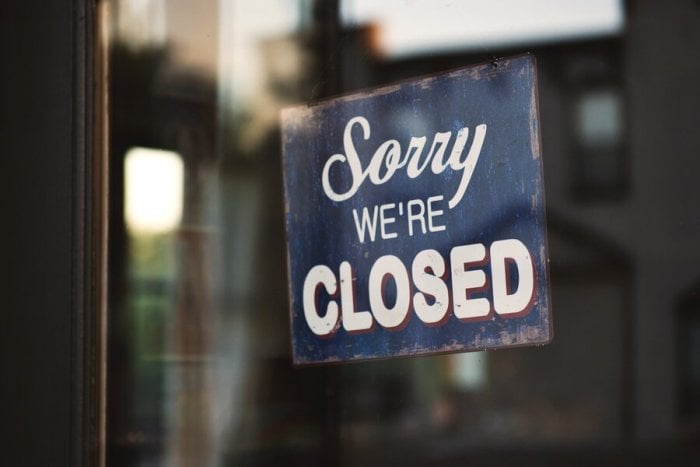
Britain is facing a mass closure of restaurants, takeaways and pubs this winter as businesses struggle to cope with a 300% hike in energy bills, industry experts have warned.
Trade group UK Hospitality has called for urgent action from the government to help with bills, warning that soaring energy prices are putting businesses and jobs at risk.
The sector is calling for a cut to VAT or an energy price cap, such as that in place for household customers, The Telegraph reports.
It comes as hospitality businesses prepare to sign new energy deals as old tariffs expire this autumn and face average increases of 300%.
Furthermore, research by eEnergy found that one in four hospitality business owners were considering closing in the next year due to unprecedented energy costs – and a staggering 83% may cut staff hours or make redundancies.
UKBF members have been discussing whether rising energy costs are making restaurant and takeaway businesses unsustainable.
To make matters worse a number of energy providers have withdrawn service provision from the hospitality market altogether, UK Hospitality claims.
@SillyBill posted that his business has recently been quoted 49.634p per kwh, up from 12.945p previously, which is a 283% increase. According to the company’s projections this means the yearly energy bill is set to increase from £38,000 to £143,000.
“This'll be very, very painful for us,” @SillyBill said. “We can afford this but I have no idea how a lot of businesses are going to deal with these sorts of increases… I'd like to hear more from the government about this impending crisis.”
@Not a subway replied: “I'm wondering the same thing. Many retail businesses won't survive the price increases. A lot of friends have multiple units making approx £20-25K profit per year. Their current bills are around £800 per month. New contract rates will push this up to almost £4K per month, negating any profits.”
@Picture Bute added “Looks like it'll be a painful renewal, unless I decide to sell up or some such thing before that happens.”
@Casually made questioned how any takeaway can currently be profitable due to the price of raw ingredients and the increase in energy costs.
“On top of that, takeaway products can't really be inflated that easily,” @Casually made posted. “I mean you could add £1 to the cost of a burger with not much grievance but you are still going to need to sell a lot of burgers to cover a £500 quid a week energy bill increase.”
@Not a subway wondered whether street vendors could actually be better off than those with fixed premises.
“Although the cost of fuel might rise for them, they use mostly gas for cooking. Without the overheads of lights, air conditioning and walk-in refrigeration, they could actually come through this recession rather well,” they posted.
@The Byre posted: “The cure for high prices is high prices. That market mechanism takes a while to kick in, but kick in it must and kick in it will!”
@Fagin2021 added that high prices and massive profits will eventually bring new entrants and new technologies into the market – or make existing technologies, including some renewables, viable that couldn't previously compete with fossil fuels. @Fagin2021 agreed that it will take time, though.
Chris questioned how many companies have done an electrical review and spent money changing to more efficient lighting or heating? How many units have solar power?
“Many are happy to spend a fortune on a new car for the company but never consider saving money with those machines sitting idle or on standby,” @Chris Ashdown posted. “Many lazy managers and owners now moan about others not doing enough but never look at themselves.”
@Red Wood recommended choosing a provider that does not charge high exit fees.
“I'd be very surprised if the government didn't offer some form of support for businesses,” @Red Wood posted. “Other than that, it's a guessing game. One thing I'm certain of; inflation is here to stay for a good while, and I think we are only at the end of beginning.”
@SillyBill posted: “Not decided as yet but I'm weighing towards fixing for the shortest term we can at these prices. Risk vs reward for fixing long term is no longer there really when prices are already so sky high.”
Trade group UK Hospitality has called for urgent action from the government to help with bills, warning that soaring energy prices are putting businesses and jobs at risk.
The sector is calling for a cut to VAT or an energy price cap, such as that in place for household customers, The Telegraph reports.
It comes as hospitality businesses prepare to sign new energy deals as old tariffs expire this autumn and face average increases of 300%.
Furthermore, research by eEnergy found that one in four hospitality business owners were considering closing in the next year due to unprecedented energy costs – and a staggering 83% may cut staff hours or make redundancies.
UKBF members have been discussing whether rising energy costs are making restaurant and takeaway businesses unsustainable.
The reality of a 300% increase
As business owners begin searching for energy renewal quotes, the reality of soaring prices is beginning to kick-in.To make matters worse a number of energy providers have withdrawn service provision from the hospitality market altogether, UK Hospitality claims.
@SillyBill posted that his business has recently been quoted 49.634p per kwh, up from 12.945p previously, which is a 283% increase. According to the company’s projections this means the yearly energy bill is set to increase from £38,000 to £143,000.
“This'll be very, very painful for us,” @SillyBill said. “We can afford this but I have no idea how a lot of businesses are going to deal with these sorts of increases… I'd like to hear more from the government about this impending crisis.”
@Not a subway replied: “I'm wondering the same thing. Many retail businesses won't survive the price increases. A lot of friends have multiple units making approx £20-25K profit per year. Their current bills are around £800 per month. New contract rates will push this up to almost £4K per month, negating any profits.”
@Picture Bute added “Looks like it'll be a painful renewal, unless I decide to sell up or some such thing before that happens.”
Hospitality is difficult to inflate
Another concern for restaurant and takeaway business owners is that prices cannot easily be increased to cover the costs.@Casually made questioned how any takeaway can currently be profitable due to the price of raw ingredients and the increase in energy costs.
“On top of that, takeaway products can't really be inflated that easily,” @Casually made posted. “I mean you could add £1 to the cost of a burger with not much grievance but you are still going to need to sell a lot of burgers to cover a £500 quid a week energy bill increase.”
@Not a subway wondered whether street vendors could actually be better off than those with fixed premises.
“Although the cost of fuel might rise for them, they use mostly gas for cooking. Without the overheads of lights, air conditioning and walk-in refrigeration, they could actually come through this recession rather well,” they posted.
The market mechanism will have to kick in
On a positive note, some members think the market will eventually adapt to the energy crisis and will stabilise in time.@The Byre posted: “The cure for high prices is high prices. That market mechanism takes a while to kick in, but kick in it must and kick in it will!”
@Fagin2021 added that high prices and massive profits will eventually bring new entrants and new technologies into the market – or make existing technologies, including some renewables, viable that couldn't previously compete with fossil fuels. @Fagin2021 agreed that it will take time, though.
Businesses have been wasting electricity for too long
@Chris Ashdown believes that many businesses have been wasting energy for years and have never considered changing their requirements. He highlighted major shops leaving lights on even when they were closed.Chris questioned how many companies have done an electrical review and spent money changing to more efficient lighting or heating? How many units have solar power?
“Many are happy to spend a fortune on a new car for the company but never consider saving money with those machines sitting idle or on standby,” @Chris Ashdown posted. “Many lazy managers and owners now moan about others not doing enough but never look at themselves.”
Renewal time! Should you fix and how long for?
As renewals approach, many business owners will be wondering whether to fix their price and, if so, for how long.@Red Wood recommended choosing a provider that does not charge high exit fees.
“I'd be very surprised if the government didn't offer some form of support for businesses,” @Red Wood posted. “Other than that, it's a guessing game. One thing I'm certain of; inflation is here to stay for a good while, and I think we are only at the end of beginning.”
@SillyBill posted: “Not decided as yet but I'm weighing towards fixing for the shortest term we can at these prices. Risk vs reward for fixing long term is no longer there really when prices are already so sky high.”