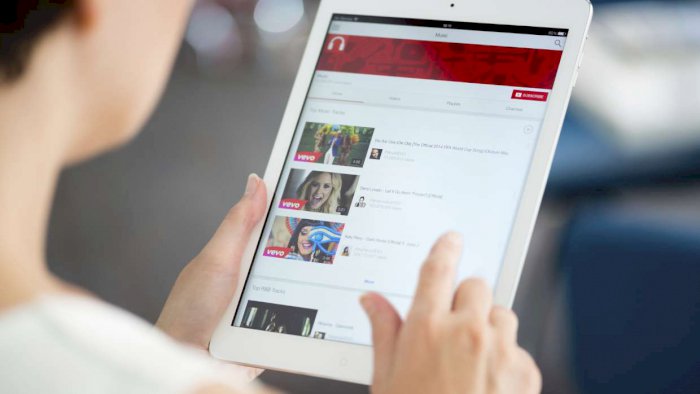
Two representatives from YouTube and Google spoke at the Online Influence conference in Bristol earlier last year.
Jan Wiechers, brand evangelist at Google and YouTube, and Julian Pistone, senior brand manager at Google, shared their tips and tricks on creating content that doesn't have to break the bank, but will resonate with your target audience.
This article sums up their ideas for getting your business' brand noticed on the platform.
The pair started off by showcasing Irish video blogger Melanie Murphy, who started off by sharing her skin problems and how she overcame them. Over time, she amassed over 1.3 million followers and a massive channel participation, more than many large global brands on YouTube.
This, first of all, shows that just one person can have a wider reach and impact than many larger businesses on YouTube, so there's no reason why smaller businesses can't either.
'So, if you are right now trying to build your brand and brand awareness, you need to start to think and to act like a content creator,' Wiechers and Pistone advised.
Nowadays, they explained, brands are suddenly accessible 24/7 online. And via platforms such as social media, they can now have a personalised conversation with a customer. Advertisements not only have the power of sight, sound and motion, but the game-changing element of participation.
Wiechers and Pistone went on to explain how brands use user generated or participation content in a smart way.
For example, Red Bull, a popular alcoholic drink mixer as well as an energy drink, has a freephone number on its cans. It turns it out it was getting lots of calls from merry fans, which it decided to repurpose and use on their Facebook page.
'This means they understood their customer market very well, including their value systems and interests, and they engaged with their target market based on the things they were interested in,' Wiechers and Pistone said.
'If your brand wants to get in and get access to such a private and personal space it needs to ask permission. The consumer is not going to let you in unless you're invited and you're not going to get invited unless you're adding value,' Wiechers and Pistone explained.
You can't simply shout about your product or service anymore; that it's cheaper or different to the competition. You have to create content that resonates with the customer in some way and adds value.
'The user is choosing what content they want to get. What happens over time to content the user is consuming is that they're building up a future identity. They use the content as a bridge to considering buying a certain product.
'Look at it from more of a general branding perspective. Every single brand in this world, from Apple to Harvard, is trying to do one thing and that's to form a lifelong relationship with the consumer,' Wiechers and Pistone added.
They used an example of an 'arc' of the relationship a consumer has with your product. First is the awareness stage, then the affinity stage if the consumer gets to know and likes your product or service.
This is when your brand begins to represent something for the consumer. For example, everyone picks brands that stand for something they love. You'll buy an Apple phone or wear a Nike shirt and sometimes even get the brands tattooed on your skin. Harley Davidson is the most tattooed brand in the world.
'This is when you've succeeded; when you've moved as many as possible up to the advocation stage. These people will forgive and defend you. Those are your best salespeople, they work for free and they run around and amplify your brand, evangelising throughout the world.'
That's all well and good - but how do you get people to that stage?
The Google pair say it's all down to content, to shape their image, in order to get your brand to a new future identity. But the content has to do one - or two, or all - of three things:
They used Google's Hangout platform to host a free live web chat with 10 real bloggers they had sent samples to.
Clinique recorded this through the live function on Hangouts, which automatically saves the video afterwards to YouTube. They shared this video over their Google Plus page and edited it and used it as an advertisement later to target groups.
What this meant was instead of having a young, glam model parading the anti-wrinkle cream through a professional video, Clinique was able to talk about their product with real life people, which enabled them to connect deeper with their target audience. It's what Wiechers and Pistone called 'marketing genius'.
'They have the undivided attention of their target group for 90 minutes about anti wrinkle cream and it's real, it's authentic,' they said.
Going viral or including humor in your marketing doesn't have to be distasteful or tacky and can be a great way of getting people to read or view a more serious piece of your content. In other words, a way of getting people's attention.
Volvo truck's YouTube marketing campaign in 2014 led to a sales increase of 32%. And they only advertised with YouTube.
Of course, most of us will remember Jean Claude Van Damme's famous truck splits video (if not, it's below).
This was the video that grabbed millions of people's attention, and most went on after watching to view a preceding, more serious video on Volvo's steering technology which helps prevent accidents caused by drivers' fatigue, for example.
'Truck drivers got educated about this new system and then clicked out of the video and went to the actual more serious video. The second video got several million highly relevant views on their actual marketing video demo,' Wiechers and Pistone said.
The video the Google chosen was Proctor and Gamble's (P&G) Sochi Olympics 2014 marketing campaign.
'This is an example that encapsulates the ability to inspire and emotionally connect with people. What it didn't do was talk about how soft their toilet paper was,' Wiechers and Pistone said.
The higher concept of the campaign was how the mothers of Olympians taking part were the real heroes, who saw their potential before they became real athletes.
P&G released a series of 20 videos on YouTube 10 months before the games of mothers talking about the athletes as children. They took the best bits from the most viewed and interacted with videos to create a two-minute online and television campaign before the Olympics started. They attributed half a billion USD in revenue directly to this.
And what makes it so powerful? Watch for yourself. We challenge you not to be touched:
One idea for small businesses here would be to spend some money on good quality video production and perform some touching case studies on clients or people you work with or even your own internal team.
Jan Wiechers, brand evangelist at Google and YouTube, and Julian Pistone, senior brand manager at Google, shared their tips and tricks on creating content that doesn't have to break the bank, but will resonate with your target audience.
This article sums up their ideas for getting your business' brand noticed on the platform.
The pair started off by showcasing Irish video blogger Melanie Murphy, who started off by sharing her skin problems and how she overcame them. Over time, she amassed over 1.3 million followers and a massive channel participation, more than many large global brands on YouTube.
This, first of all, shows that just one person can have a wider reach and impact than many larger businesses on YouTube, so there's no reason why smaller businesses can't either.
'So, if you are right now trying to build your brand and brand awareness, you need to start to think and to act like a content creator,' Wiechers and Pistone advised.
Marketing has changed
Wiechers and Pistone showed the audience a timeline of how marketing has developed over the years. Before the internet, communication between brands and consumers was a 'pure one way street' of television and 'static' ads.Nowadays, they explained, brands are suddenly accessible 24/7 online. And via platforms such as social media, they can now have a personalised conversation with a customer. Advertisements not only have the power of sight, sound and motion, but the game-changing element of participation.
Wiechers and Pistone went on to explain how brands use user generated or participation content in a smart way.
For example, Red Bull, a popular alcoholic drink mixer as well as an energy drink, has a freephone number on its cans. It turns it out it was getting lots of calls from merry fans, which it decided to repurpose and use on their Facebook page.
'This means they understood their customer market very well, including their value systems and interests, and they engaged with their target market based on the things they were interested in,' Wiechers and Pistone said.
Advertising is now far more personal
Things have also changed in terms of how consumers use popular devices. First, we had the radio which was across the room. Then the TV was 10 feet away, then desktop computers were closer, laptops were on our laps and now smartphones are in our pockets.'If your brand wants to get in and get access to such a private and personal space it needs to ask permission. The consumer is not going to let you in unless you're invited and you're not going to get invited unless you're adding value,' Wiechers and Pistone explained.
You can't simply shout about your product or service anymore; that it's cheaper or different to the competition. You have to create content that resonates with the customer in some way and adds value.
'The user is choosing what content they want to get. What happens over time to content the user is consuming is that they're building up a future identity. They use the content as a bridge to considering buying a certain product.
'Look at it from more of a general branding perspective. Every single brand in this world, from Apple to Harvard, is trying to do one thing and that's to form a lifelong relationship with the consumer,' Wiechers and Pistone added.
They used an example of an 'arc' of the relationship a consumer has with your product. First is the awareness stage, then the affinity stage if the consumer gets to know and likes your product or service.
This is when your brand begins to represent something for the consumer. For example, everyone picks brands that stand for something they love. You'll buy an Apple phone or wear a Nike shirt and sometimes even get the brands tattooed on your skin. Harley Davidson is the most tattooed brand in the world.
'This is when you've succeeded; when you've moved as many as possible up to the advocation stage. These people will forgive and defend you. Those are your best salespeople, they work for free and they run around and amplify your brand, evangelising throughout the world.'
That's all well and good - but how do you get people to that stage?
The Google pair say it's all down to content, to shape their image, in order to get your brand to a new future identity. But the content has to do one - or two, or all - of three things:
- Educate
- Entertain
- Inspire
Educational content
One example Wiechers uses here is Clinique makeup. Despite being a large brand with presumably lots of budget for marketing, they chose a low-cost, authentic yet effective way to market their anti-wrinkle cream recently.They used Google's Hangout platform to host a free live web chat with 10 real bloggers they had sent samples to.
Clinique recorded this through the live function on Hangouts, which automatically saves the video afterwards to YouTube. They shared this video over their Google Plus page and edited it and used it as an advertisement later to target groups.
What this meant was instead of having a young, glam model parading the anti-wrinkle cream through a professional video, Clinique was able to talk about their product with real life people, which enabled them to connect deeper with their target audience. It's what Wiechers and Pistone called 'marketing genius'.
'They have the undivided attention of their target group for 90 minutes about anti wrinkle cream and it's real, it's authentic,' they said.
Entertaining content
The next example is of a video that received millions of views online through smart marketing.Going viral or including humor in your marketing doesn't have to be distasteful or tacky and can be a great way of getting people to read or view a more serious piece of your content. In other words, a way of getting people's attention.
Volvo truck's YouTube marketing campaign in 2014 led to a sales increase of 32%. And they only advertised with YouTube.
Of course, most of us will remember Jean Claude Van Damme's famous truck splits video (if not, it's below).
This was the video that grabbed millions of people's attention, and most went on after watching to view a preceding, more serious video on Volvo's steering technology which helps prevent accidents caused by drivers' fatigue, for example.
'Truck drivers got educated about this new system and then clicked out of the video and went to the actual more serious video. The second video got several million highly relevant views on their actual marketing video demo,' Wiechers and Pistone said.
Inspirational content
Another way to move consumers up the brand arc is to bring them content that inspires them. The goal here is that the content makes the customer care and be emotionally connected to your brand. It's not about shouting about your product or what you do - but bringing people real-world experiences they can connect to.The video the Google chosen was Proctor and Gamble's (P&G) Sochi Olympics 2014 marketing campaign.
'This is an example that encapsulates the ability to inspire and emotionally connect with people. What it didn't do was talk about how soft their toilet paper was,' Wiechers and Pistone said.
The higher concept of the campaign was how the mothers of Olympians taking part were the real heroes, who saw their potential before they became real athletes.
P&G released a series of 20 videos on YouTube 10 months before the games of mothers talking about the athletes as children. They took the best bits from the most viewed and interacted with videos to create a two-minute online and television campaign before the Olympics started. They attributed half a billion USD in revenue directly to this.
And what makes it so powerful? Watch for yourself. We challenge you not to be touched:
One idea for small businesses here would be to spend some money on good quality video production and perform some touching case studies on clients or people you work with or even your own internal team.
To summarise:
- Firstly, if you want to connect with your valued customer audience you need to start thinking like a content creator
- Branding is increasingly personal as information is getting closer to us and we're selective with what we want to do. If we get advertising messages we want to get some kind of value otherwise we swipe them away
- The way we create value is through education, inspiration or entertainment