Unless you're qualified in a relevant field, it's difficult to think how a regular entrepreneur can become involved in the space industry.
But according to those involved in the area, the decreasing cost of satellite data means the area is opening up for 'downstream' technologies.
We spoke to the founder of analytics and risk company Democrata. Geoffrey Roberts is head of the nearly two-year-old business, which started off at the Hartree Centre where it's still based.
The business uses predictive analytics, analysing multiple data sets to predict the location of archaeological artefacts, the presence of which would have a major cost and time impact on a high-speed rail link or a new road.
It also works in the maritime sector, providing a per vessel risk profile (not unlike how motor insurance is now personalising premiums) for all vessels in the commercial shipping fleet.
Roberts will be acting as an entrepreneur in residence and mentor at the upcoming Space Innovation Congress, helping people understand what they need to focus on and how to get through some of the problems a business might face.
He's not however a scientist or an engineer, but rather a business owner who has had great success through the power of analytics.
'I started a niche music download company in 1999, eventually moving to another start-up which got bought by Nokia in 2007, so I got to play at a much higher scale. 'In digital music you become an expert in data as you have to deal with such large volumes of it' he tells us.
In both cases he wanted to focus on markets that hadn't 'bitten the bullet' and taken predictive analytics into the core of how they ran the business.
'One issue with big markets that haven't yet adopted analytics is that there's a lot of education required and lots of invested stakeholders.'
'We like solving hard problems as a technology company, and our interest is across many domains', he adds.
'In terms of opportunities for tech to come up with new or novel ideas or ways of looking at data, we're on the cusp of a real change.'
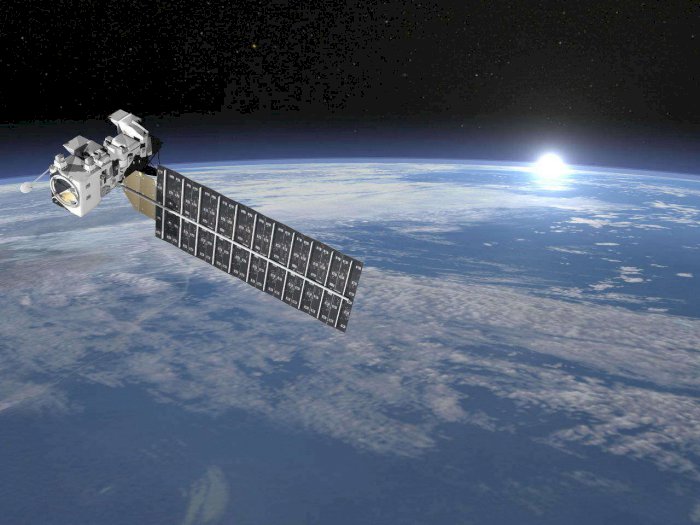
'If you think about, for example, satellites, they're invisible but they play such an important part in our lives. They're part of the set of relays that get data from one place to another; they'll also become smaller and increase in number, and the amount and latency of that data is going to improve year on year,' Roberts says.
Applications will be accessed by a panel of experts and the 20 finalists will have the opportunity to pitch to this panel at the conference. The prize for the finalists will include grants, investment, mentoring and ongoing support that will see you to market ready stage and beyond.
Do you run a space related startup or have a dream to set one up? Let us know! Make sure you're logged in or signed up to comment below.
But according to those involved in the area, the decreasing cost of satellite data means the area is opening up for 'downstream' technologies.
We spoke to the founder of analytics and risk company Democrata. Geoffrey Roberts is head of the nearly two-year-old business, which started off at the Hartree Centre where it's still based.
The business uses predictive analytics, analysing multiple data sets to predict the location of archaeological artefacts, the presence of which would have a major cost and time impact on a high-speed rail link or a new road.
It also works in the maritime sector, providing a per vessel risk profile (not unlike how motor insurance is now personalising premiums) for all vessels in the commercial shipping fleet.
Roberts will be acting as an entrepreneur in residence and mentor at the upcoming Space Innovation Congress, helping people understand what they need to focus on and how to get through some of the problems a business might face.
He's not however a scientist or an engineer, but rather a business owner who has had great success through the power of analytics.
'I started a niche music download company in 1999, eventually moving to another start-up which got bought by Nokia in 2007, so I got to play at a much higher scale. 'In digital music you become an expert in data as you have to deal with such large volumes of it' he tells us.
In both cases he wanted to focus on markets that hadn't 'bitten the bullet' and taken predictive analytics into the core of how they ran the business.
'One issue with big markets that haven't yet adopted analytics is that there's a lot of education required and lots of invested stakeholders.'
'We like solving hard problems as a technology company, and our interest is across many domains', he adds.
Trends for the future
As the quality and amount of data from satellites improves, so too will the opportunities.'In terms of opportunities for tech to come up with new or novel ideas or ways of looking at data, we're on the cusp of a real change.'
'If you think about, for example, satellites, they're invisible but they play such an important part in our lives. They're part of the set of relays that get data from one place to another; they'll also become smaller and increase in number, and the amount and latency of that data is going to improve year on year,' Roberts says.
Space Innovation Congress
One way to kickstart a data or space related startup is through SETsquared's innovation incubator at the upcoming Space Innovation Congress in April.Applications will be accessed by a panel of experts and the 20 finalists will have the opportunity to pitch to this panel at the conference. The prize for the finalists will include grants, investment, mentoring and ongoing support that will see you to market ready stage and beyond.
Do you run a space related startup or have a dream to set one up? Let us know! Make sure you're logged in or signed up to comment below.